 The University of Arizona Press

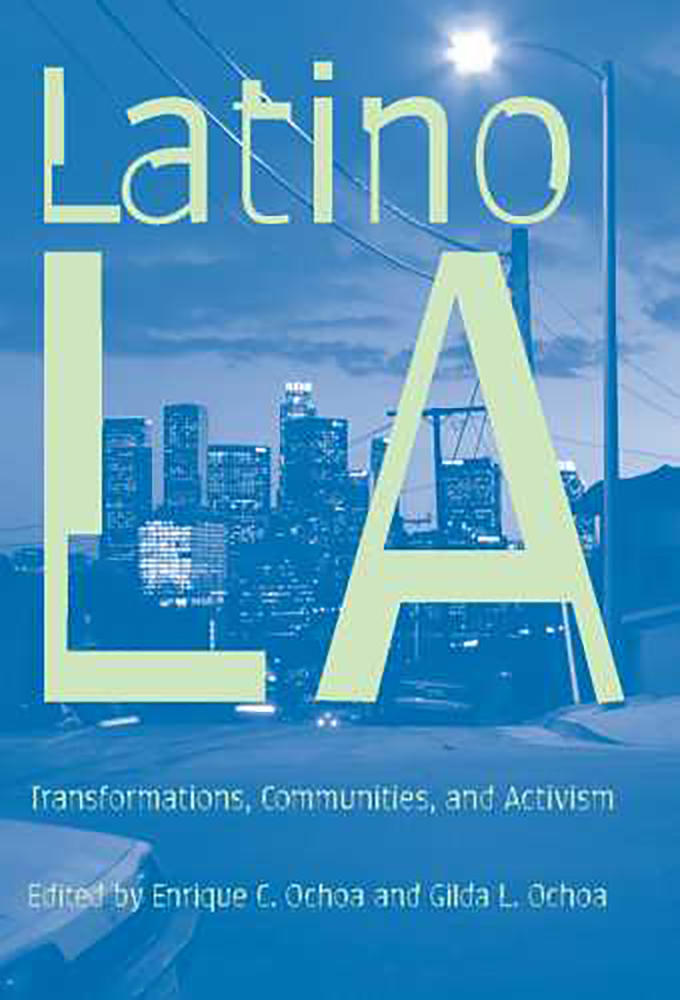
Latino Los Angeles
Transformations, Communities, and Activism
Paperback ($31.95), Ebook ($21.95)
Buy
As the twenth-first century begins, Latinas/os represent 45 percent of the residents of Los Angeles County, making them the largest racial/ethnic group in the region. At the same time, the shift from manufacturing to a service-based economy in the area has contributed to a decline in good-paying jobs, significantly impacting working class families. These transformations have created a backlash that has included state propositions impacting Latinas/os and escalating anti-immigrant rhetoric—and Latina/os of all backgrounds are making their voices heard. Until recently, most research on Latinas/os in the U.S. has ignored historical and contemporary dynamics in Latin America, just as scholars of Latin America have generally stopped their studies at the border. This volume roots Los Angeles in the larger arena of globalization, exploring the demographic changes that have transformed the Latino presence in LA from primarily Mexican-origin to one that now includes peoples from throughout the hemisphere. Bringing together scholars from a range of disciplines, it combines historical perspectives with analyses of power and inequality to consider how Latinas/os are responding to exclusionary immigration, labor, and schooling practices and actively creating communities. The contributors examine Latina/o Los Angeles in the context of historical, economic and social factors that have shaped the region. The first section provides contexts for understanding Latina/o migration, with chapters focusing on such factors as U.S. economic and military domination, labor and economic integration in the Americas, and Los Angeles’ economic history. The second section considers how various Latina/o groups have settled and formed communities and interacted with the existing Mexican-origin populations, showing how Zapotecs, Salvadorans, and other peoples are remaking urban demographics. The final section on labor organizing and political activism examines the role of Latina/o immigrants in such actions as the janitors’ strike and also considers the contemporary role of students in political activism. The volume concludes with an up-to-date compilation of contemporary scholarship on immigration, the economy, schools, neighborhoods, gender and activism as they relate to Central American and Mexican immigrants. Reflecting a range of methodologies—statistical, historical, ethnographic, and participatory research—this collection is relevant not only to ethnic studies but also to broader concerns in political science, sociology, history, economics, and urban studies. In addition, some chapters focus explicitly on women, and gender issues are interwoven throughout the text. Latino Los Angeles is an important work that contributes to contemporary scholarship on transnationalism as it reexamines the changing face of America’s largest western metropolis.
“Blends statistics with history and participator research to provide a study holding broad implications for students of urban studies.” —Midwest Book Review
“A collection of timely research from multiple perspectives.”—Multicultural Review
“A collection of timely research from multiple perspectives.”—Multicultural Review
340 Pages
6 x 9 x 0.8
Published: January 2012Paperback ISBN: 9780816524686
Published: November 2005Ebook ISBN: 9780816545469