 The University of Arizona Press

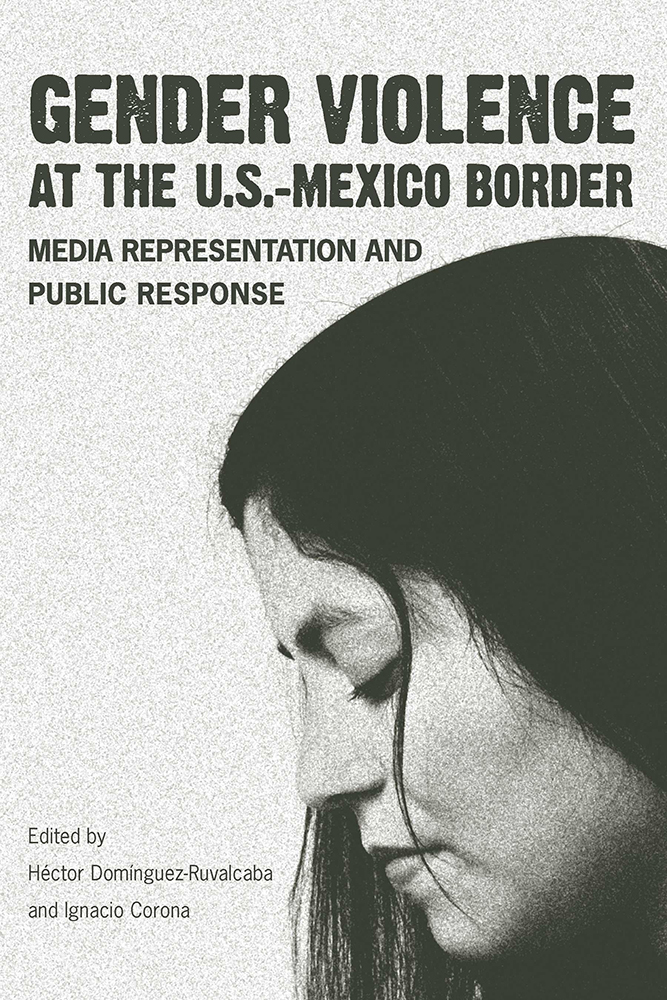
Gender Violence at the U.S.–Mexico Border
Media Representation and Public Response
Paperback ($28.95), Ebook ($28.95)
Buy
The U.S.-Mexico border is frequently presented by contemporary media as a violent and dangerous place. But that is not a new perception. For decades the border has been constructed as a topographic metaphor for all forms of illegality, in which an ineffable link between space and violence is somehow assumed. The sociological and cultural implications of violence have recently emerged at the forefront of academic discussions about the border. And yet few studies have been devoted to one of its most disturbing manifestations: gender violence. This book analyzes this pervasive phenomenon, including the femicides in Ciudad Juárez that have come to exemplify, at least for the media, its most extreme manifestation.
Contributors to this volume propose that the study of gender-motivated violence requires interpretive and analytical strategies that draw on methods reaching across the divide between the social sciences and the humanities. Through such an interdisciplinary conversation, the book examines how such violence is (re)presented in oral narratives, newspaper reports, films and documentaries, novels, TV series, and legal discourse. It also examines the role that the media have played in this process, as well as the legal initiatives that might address this pressing social problem.
Together these essays offer a new perspective on the implications of, and connections between, gendered forms of violence and topics such as mechanisms of social violence, the micro-social effects of economic models, the asymmetries of power in local, national, and transnational configurations, and the particular rhetoric, aesthetics, and ethics of discourses that represent violence.
Contributors to this volume propose that the study of gender-motivated violence requires interpretive and analytical strategies that draw on methods reaching across the divide between the social sciences and the humanities. Through such an interdisciplinary conversation, the book examines how such violence is (re)presented in oral narratives, newspaper reports, films and documentaries, novels, TV series, and legal discourse. It also examines the role that the media have played in this process, as well as the legal initiatives that might address this pressing social problem.
Together these essays offer a new perspective on the implications of, and connections between, gendered forms of violence and topics such as mechanisms of social violence, the micro-social effects of economic models, the asymmetries of power in local, national, and transnational configurations, and the particular rhetoric, aesthetics, and ethics of discourses that represent violence.
“This book contributes to literary and cultural studies and especially to communications, with fascinating critiques of the print and television media in Ciudad Juárez.” —Kathleen Staudt, author of Violence and Activism at the Border: Gender, Fear, and Everyday Life in Ciudad Juárez
208 Pages
6 x 9 x 0.7
Published: February 2012Paperback ISBN: 9780816514632
Published: February 2012Ebook ISBN: 9780816501120